- September 12, 2026
- By Abel Shelton
- Uncategorized
Peptides and Modern Health Research Why Quality Matters

Exploring the Rising Interest in Peptide Science
Peptides have moved from a specialized subject in molecular biology into a widely discussed area of health and scientific research. These small chains of amino acids can perform highly specific functions in living systems, which has encouraged researchers to investigate their potential roles in numerous biological pathways. People looking for more information often discover a mixture of laboratory findings, clinical research, product descriptions, and online health discussions. Understanding how these sources differ is important because promising research does not necessarily establish a proven health benefit. A careful look at the science can provide a more balanced view of what peptides are, why they are studied, and why sample quality deserves close attention.
Peptides as Biological Messengers
A peptide is generally composed of a relatively short sequence of amino acids connected by peptide bonds. Despite their small size, peptides can have highly specific biological activities. Some naturally occurring peptides participate in signaling processes, while others can influence particular cellular functions. Their activity depends on factors such as molecular structure, sequence, concentration, and interaction with biological targets. Consequently, the term peptide does not describe one uniform type of substance. Different peptides can behave in completely different ways, making molecule-specific research essential when assessing their properties or possible applications.
Why Scientists Study Peptide Activity
Researchers investigate peptides through several stages of scientific work. Early laboratory experiments may examine molecular interactions, cellular responses, stability, or biological mechanisms. Animal studies can sometimes provide additional information before a candidate moves into carefully controlled human research. Clinical studies then examine questions that laboratory experiments cannot answer on their own, such as how a substance behaves in people, whether a proposed effect can be reproduced, and what adverse reactions may occur. This progression illustrates why a result from an early experiment should not automatically be presented as confirmation of a treatment’s effectiveness.
Sample Integrity Can Influence Scientific Results
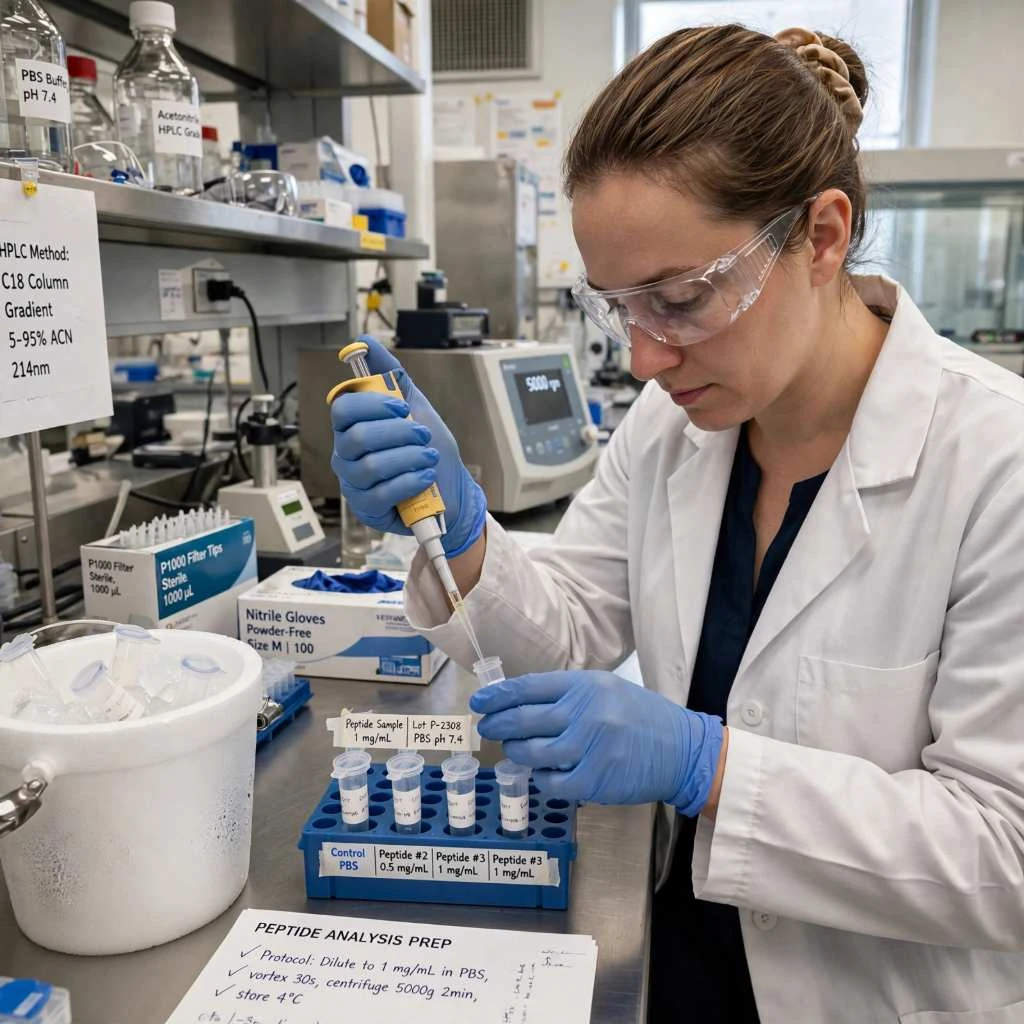
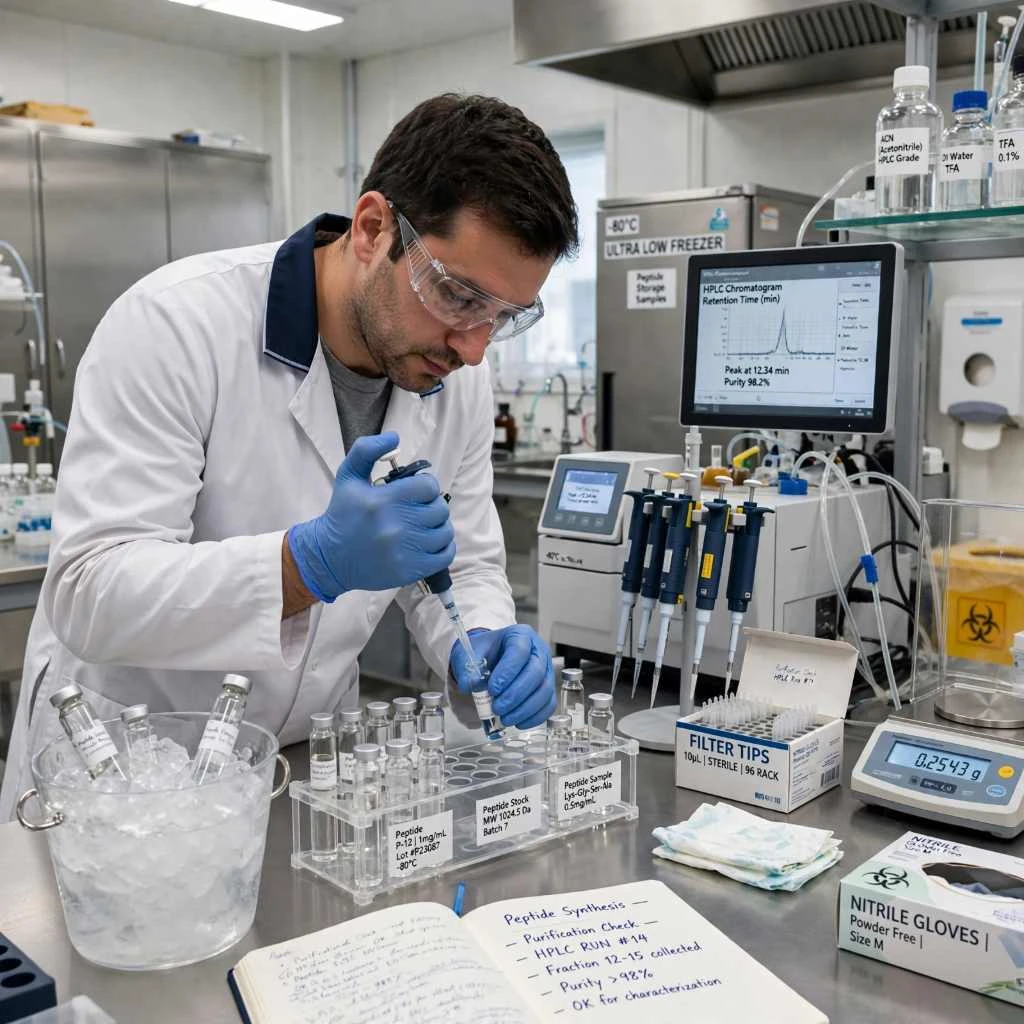
The physical and chemical condition of a peptide sample can influence laboratory analysis. A material may degrade because of unsuitable temperature, moisture, light exposure, repeated handling, or extended storage. Contamination or an incorrect concentration can create another layer of uncertainty. Researchers therefore pay attention to sample identity, purity, concentration, storage conditions, and analytical procedures. Testing methods can help determine whether a sample corresponds to the substance being investigated and whether its measured characteristics match expectations. Good documentation also improves traceability, allowing researchers to understand which material was examined and under what conditions.
Regulatory Oversight Adds Another Layer
Scientific quality and regulatory status are related but separate issues. A substance can be scientifically interesting without being an approved medical treatment. The U.S. Food and Drug Administration (FDA) provides information about the risks associated with compounded drugs and notes that compounded drugs are not FDA-approved for safety, effectiveness, or quality before marketing. The agency also discusses concerns such as contamination and incorrect amounts of active ingredients. FDA information on the risks of compounded drugs offers an authoritative reference for understanding these regulatory considerations.
Reading Laboratory Documentation Carefully
Laboratory documentation can be valuable when assessing the characteristics of a particular research sample. A certificate of analysis may include information about identity, purity, concentration, testing methods, and batch details. However, the presence of such a document should not be interpreted as proof that a peptide is approved for medical use or appropriate for self-administration. The meaning of laboratory data depends on how the material was tested, which analytical method was used, and what the results actually demonstrate. Reading the report itself rather than relying solely on a product description can provide a clearer understanding of the available evidence.
Separating Research From Promotional Language
Peptide discussions online frequently combine scientific terminology with strong claims about possible outcomes. Statements about metabolism, physical performance, recovery, body composition, aging, or other health effects can sometimes be based on preliminary research rather than established clinical evidence. A study conducted in cells, for example, cannot by itself demonstrate that the same result will occur in humans. Similarly, individual experiences may be interesting but cannot replace controlled research. Looking at the original evidence and its limitations provides a stronger foundation for understanding what is actually known.
Importance of Traceability in Research
Traceability is an important concept whenever scientists analyze specialized biological materials. Researchers need to know what a sample contains, where it came from, how it was handled, and which testing procedures were applied. Clear records can make it easier to identify inconsistencies and investigate unexpected results. Batch information, laboratory records, analytical results, and storage details can collectively create a more complete picture of sample integrity. This level of documentation becomes particularly important when research findings may influence subsequent experiments or decisions about further development.
Evidence Should Lead the Conversation
The growing interest in peptides creates both opportunities and challenges for people trying to understand the field. Scientific research may reveal useful biological mechanisms and potentially guide future developments, but each finding needs to be considered within its proper stage of evidence. Laboratory observations, animal research, human clinical trials, regulatory decisions, and quality testing each answer different questions. Treating them as interchangeable can lead to misleading conclusions. A more informed approach examines the source of a claim, the quality of the underlying research, and whether the findings have been independently supported.
Looking Ahead at Peptide Science
Peptide research is likely to remain an important area of modern biomedical investigation. Advances in analytical technology may allow researchers to characterize samples more precisely, while improvements in molecular science can help explain how individual peptides interact with biological systems. Future clinical research may also clarify which candidates have legitimate therapeutic potential. Until stronger evidence is available for a particular application, however, it is important to distinguish scientific possibility from established medical use. Careful testing, transparent documentation, credible research, and appropriate regulatory oversight provide the foundation for responsible progress in peptide science.

…
- September 9, 2026
- By Abel Shelton
- Uncategorized
Solving Tough Plumbing Clogs With Professional Drain Cleaning

Fast Action for Sudden Drain Problems
Emergency Drain Cleaning can become necessary when water stops moving through a drain and begins collecting around sinks, showers, toilets, or floor drains. What starts as a minor slowdown can quickly become a major inconvenience when wastewater backs up into a property. Professional drain service focuses on identifying the source of the restriction and using the appropriate equipment to restore normal flow. Addressing the problem early can also help limit water damage, unpleasant odors, and repeated disruption.
Identifying the Cause of a Clogged Pipe
Not every clogged drain develops for the same reason. Kitchen lines commonly collect grease, food particles, and soap residue, while bathroom drains often struggle with hair and personal-care buildup. Deeper plumbing lines can experience sediment accumulation, foreign objects, mineral deposits, or tree-root intrusion. Because different blockages respond to different techniques, identifying the material and location of the obstruction is an important part of effective drain maintenance.
Slow Drain Should Not Be Ignored
Many homeowners wait until a drain stops working completely before requesting service. However, slow drainage can be an early indication that material is accumulating inside the pipe. Gurgling sounds, unpleasant smells, water pooling around a fixture, and repeated backups can also signal developing trouble. Taking these warning signs seriously may allow the issue to be investigated while the plumbing remains accessible and before a localized restriction develops into a larger drainage problem.
Modern Inspection Reveals Hidden Plumbing Conditions
When a blockage keeps returning, simply clearing it may not solve the underlying problem. A plumbing camera can provide a detailed look inside the drainage line and help locate buildup, cracks, damaged sections, root intrusion, or other abnormalities. This type of inspection can be particularly useful for older properties and sewer lines that have experienced several blockages. Seeing the condition of the pipe allows technicians to make more informed decisions instead of relying only on surface symptoms.
Experienced Plumbing Work Makes a Difference
Professional drain work requires more than knowing how to remove a clog. Technicians need to understand plumbing systems, recognize potential problems, operate specialized equipment, and determine when cleaning is appropriate. According to the U.S. Bureau of Labor Statistics, plumbers install, maintain, and repair piping systems and may also clear clogged drains and plumbing fixtures. U.S. Bureau of Labor Statistics: Plumbers, Pipefitters, and Steamfitters That combination of technical knowledge and practical experience can be important when a blockage is difficult to locate or keeps returning.

Drain Snaking for Localized Obstructions
A drain auger, commonly called a snake, remains one of the practical tools used for many plumbing blockages. The flexible cable travels through the pipe and can break apart or remove material that is preventing water from flowing. It can be useful for certain sink, shower, toilet, and branch-line problems. However, removing one obstruction does not necessarily clean the entire pipe. If buildup remains along the interior walls, another blockage may develop later.
High Pressure Water for Heavy Buildup
Hydro jetting provides a more intensive approach for certain drainage systems. Instead of relying on a rotating cable, specialized equipment sends highly pressurized water through the pipe to help remove grease, sediment, scale, and other deposits. This method can be particularly useful when buildup has accumulated across a larger section of the line. Before using high-pressure water, however, the condition and material of the plumbing should be evaluated to ensure the technique is suitable for the system.
Repeated Backups May Point to Pipe Damage
When the same drain becomes blocked over and over, there may be a deeper reason behind the problem. Persistent restrictions can sometimes be associated with tree roots, collapsed or cracked pipes, improper connections, heavy scale, or sections of plumbing that have deteriorated with age. In such cases, repeatedly clearing the line may provide only temporary relief. A professional inspection can help determine whether cleaning is sufficient or whether a repair should be considered.
Keeping Plumbing Flowing Between Service Visits
Everyday habits can have an impact on drain performance. Kitchen users should avoid sending cooking grease and oil into plumbing, while bathroom drains can benefit from screens that catch hair and debris. Excessive paper products should not be flushed, and unusual changes in drainage speed should be investigated rather than ignored. Preventive maintenance is especially useful for properties with older pipes or a history of recurring blockages.
When Professional Drain Service Becomes Valuable
Some clogs can be handled with basic household methods, but difficult or recurring problems may require professional equipment and assessment. A qualified technician can determine whether the situation calls for mechanical cleaning, camera inspection, hydro jetting, or another solution. Professional service can also be valuable when several fixtures begin draining slowly at the same time, since that may indicate a blockage farther down the plumbing system.
Better Approach to Long Term Drain Performance
Good drain maintenance is not simply about getting water moving again. It involves understanding why the blockage occurred and determining whether the plumbing has another condition that could cause future trouble. With appropriate inspection, equipment, and maintenance, homeowners can address drainage problems more effectively and reduce unnecessary interruptions. Whether the issue is a simple fixture clog or a deeper sewer-line restriction, a targeted approach can help keep plumbing systems functioning properly.

…
- September 8, 2026
- By Abel Shelton
- Uncategorized
Peptide Science and Its Impact on Human Health Research

Peptides at the Forefront of Medical Discovery
As medical science moves toward more personalized and targeted treatments, researchers are paying closer attention to peptides and their remarkable biological functions. These naturally occurring amino acid chains act as messengers throughout the body, influencing everything from metabolism to immune activity. In recent years, studies highlighted in link have demonstrated why peptide research has become one of the most closely watched areas in modern biomedical science. Rather than serving as simple building blocks, peptides are increasingly recognized as active participants in cellular communication and physiological regulation.
Why Peptides Are Different from Traditional Therapeutics
Unlike many conventional compounds that affect broad biological systems, peptides often interact with highly specific receptors and signaling pathways. This precision allows researchers to investigate biological mechanisms with greater accuracy while potentially minimizing unintended effects on unrelated processes. Their naturally occurring nature also makes them valuable models for understanding how the body maintains balance and responds to internal and external changes. As scientific methods evolve, peptides continue to reveal new possibilities for targeted therapeutic development.
Communication at the Molecular Level
Every function within the human body depends on communication between cells. Peptides play a vital role in this communication network by delivering molecular instructions that influence growth, repair, inflammation, and energy use. When a peptide binds to a cellular receptor, it can activate a sequence of biological events that ultimately determine how a cell behaves. Researchers are particularly interested in decoding these signaling pathways because they may provide insights into disease progression and opportunities for more precise forms of intervention.
Regenerative Science and the Search for Biological Recovery
The field of regenerative medicine has generated growing interest in the relationship between peptides and tissue health. Scientists are exploring how specific peptide signals contribute to cellular maintenance, adaptation, and recovery processes. While these investigations have produced promising data in laboratory environments, experts emphasize the importance of distinguishing preliminary findings from clinically verified outcomes. Regenerative science remains a developing field, and peptide-related discoveries must undergo rigorous testing before broader medical conclusions can be drawn.

Evidence Remains the Foundation of Scientific Progress
Scientific enthusiasm alone is never enough to establish medical value. Every peptide under investigation must be evaluated through structured research, including laboratory studies, controlled clinical trials, and long-term safety assessments. Leading scientific databases such as the NCBI provide researchers and healthcare professionals with access to peer-reviewed evidence that helps separate validated findings from speculation. This commitment to evidence-based evaluation ensures that scientific advances are guided by facts rather than expectations.
Expanding Interest in Mitochondrial Signaling
One particularly intriguing area of peptide research involves molecules associated with mitochondrial function. Mitochondria serve as essential regulators of cellular energy production, making them an important focus in studies of metabolism and physiological resilience. Researchers have been examining how mitochondrial-derived peptides participate in stress responses and metabolic signaling. These investigations have helped broaden scientific understanding of how cells adapt to changing biological conditions and maintain energy balance under various circumstances.
Challenges in an Era of Rapid Scientific Awareness
As peptide research gains public attention, misinformation has become an increasingly important concern. Scientific discoveries are often discussed long before definitive conclusions are reached, creating opportunities for exaggerated claims and unrealistic expectations. Consumers and healthcare professionals alike benefit from evaluating the quality of evidence supporting any peptide-related claim. Factors such as study design, participant numbers, reproducibility, and peer review remain essential indicators of research reliability. A critical approach helps ensure that scientific discussions remain grounded in verifiable data.
What the Future Holds for Peptide Based Research
The future of peptide science is likely to be shaped by advances in biotechnology, molecular diagnostics, and precision medicine. Researchers continue to develop innovative methods for studying peptide behavior, improving delivery technologies, and understanding complex cellular networks. As knowledge expands, peptides may contribute to new strategies for diagnosing, monitoring, and potentially treating a variety of conditions. However, meaningful progress will depend on rigorous scientific validation, transparent methodology, and continued investment in high-quality research. Through this evidence-driven approach, peptide research has the potential to become a major force in the next generation of medical innovation.

…
- September 6, 2026
- By Abel Shelton
- Uncategorized
Peptides in Costa Rica Innovation in Life Sciences

Rise of Biomedical Research in Costa Rica
Costa Rica continues to strengthen its position within science, technology, and biotechnology, and peptide research is becoming an increasingly interesting part of that development. As global researchers explore smaller biological molecules for their potential applications, Costa Rican scientists and biotechnology professionals are also paying closer attention to this field. The url appears within this growing conversation, connecting audiences with information about how peptide science is developing in the country. This emerging interest reflects a broader movement toward research that combines molecular biology, chemistry, medicine, and advanced laboratory techniques.
Peptides Explained Structure and Biological Function
Peptides are short chains of amino acids connected by peptide bonds. Although they are smaller than many proteins, they can play important roles in biological systems, including cellular communication, metabolism, signaling, and regulation. Their relatively precise biological activity has made them valuable subjects for laboratory research. According to the National Center for Biotechnology Information, peptides include a broad group of compounds with different structures and biological functions. Their diversity gives researchers opportunities to investigate how specific molecular sequences interact with biological pathways and how those interactions could contribute to future scientific discoveries.
Why Peptide Research Is Attracting Attention
The growing interest in peptides is closely connected to advances in biotechnology and biomedical research. Scientists can examine peptide structures, biological pathways, receptor interactions, and molecular responses using increasingly sophisticated laboratory methods. These investigations can help researchers better understand complex physiological processes. Peptides are therefore studied across several scientific disciplines, including biochemistry, pharmacology, molecular biology, and drug discovery. Rather than representing a single area of research, peptide science creates connections between multiple fields and encourages collaboration among researchers with different areas of expertise.
Costa Rica’s Growing Scientific Potential
Costa Rica has several characteristics that support the development of scientific and biotechnology activities. The country has invested in education, healthcare, technology, and life sciences while developing experience in areas such as medical-device manufacturing and biomedical innovation. Recent discussions about the country’s biomedical potential have also highlighted opportunities to strengthen research and development. As interest in peptide research expands, local laboratories, universities, students, and biotechnology professionals can contribute to a wider scientific ecosystem focused on molecular research and innovation.
Reliable Scientific Information Supports Better Research
Access to credible scientific literature is essential when studying peptides or any emerging biomedical field. Researchers need dependable information about molecular structures, experimental findings, biological mechanisms, and previous studies before developing new research questions. The National Center for Biotechnology Information (NCBI) provides access to major biomedical resources, including PubMed, PubMed Central, and specialized biological databases, making it an important reference point for scientific investigation. Using established scientific databases helps researchers distinguish documented findings from unsupported claims and keeps research discussions connected to published evidence.

Research Grade Peptides and Laboratory Standards
The quality of materials used in laboratory research can significantly influence experimental outcomes. Researchers commonly consider factors such as purity, identity, concentration, storage conditions, documentation, and analytical testing when evaluating research compounds. Consistency is particularly important because experimental results need to be reproducible. When researchers work with well-characterized materials and maintain detailed laboratory records, they can better evaluate whether an observed result is related to the experimental variable being studied. Strong documentation and appropriate laboratory procedures therefore remain central to meaningful peptide research.
Retatrutide and Interest in Metabolic Research
Retatrutide is one example of a peptide-related compound that has attracted substantial scientific attention because of research into metabolic regulation and body-weight pathways. Research interest surrounding compounds in this area demonstrates how peptide science can intersect with questions involving energy balance, appetite signaling, and metabolic biology. However, scientific interest should not be confused with established clinical use. Compounds under investigation must be evaluated through appropriate research processes, and information about their development should be interpreted according to the evidence available from legitimate scientific and regulatory sources.
Building a Stronger Research Ecosystem
For Costa Rica to expand its contribution to peptide and biomedical research, several elements need to develop together. Skilled researchers, modern laboratory infrastructure, reliable research materials, scientific education, institutional collaboration, and appropriate regulatory frameworks all play important roles. Costa Rica has previously demonstrated potential in biomedical and life-science activities, but continued investment and coordination are necessary to translate that potential into broader research opportunities. Reports on clinical research in the country have also identified both existing strengths and challenges that need to be addressed.
Connecting Local Researchers With Global Science
One of the most valuable aspects of peptide research is its international character. Scientific discoveries rarely develop within a single country or institution. Researchers share findings through journals, databases, conferences, collaborations, and academic networks. Costa Rican researchers can benefit from participating in these international conversations while also developing research programs that address regional scientific priorities. Greater access to information and research resources can help students and professionals follow emerging developments, evaluate new hypotheses, and identify opportunities for collaboration with laboratories and institutions abroad.
Responsible Innovation Will Shape the Future
The future of peptide research in Costa Rica will depend not only on scientific curiosity but also on responsible research practices. Clear distinctions between laboratory investigation, clinical development, and approved medical use are essential. Researchers must follow appropriate protocols, respect applicable regulations, and communicate findings accurately. As biotechnology continues to evolve, Costa Rica has an opportunity to strengthen its role in biomedical science by combining education, research quality, ethical standards, and innovation. The growing interest in peptides is therefore more than a trend. It represents another opportunity for the country to participate in a rapidly advancing scientific field while building a stronger foundation for future biomedical discoveries.

…
- September 5, 2026
- By Abel Shelton
- Uncategorized
JP Donahue Insights Into Peptide Research and Science

JP Donahue and His Focus on Peptide Research
For readers exploring peptide science, the author profile on Peptides Costa Rica offers useful background on JP Donahue and the perspective behind his research-focused writing. Donahue combines experience as an author, lawyer, former Army Ranger, screenwriter, and accomplished Jiu Jitsu competitor with a growing interest in health, wellness, performance, and longevity. His professional and personal experiences have helped shape an editorial approach that aims to make complex scientific subjects easier to understand without losing sight of the importance of evidence.
Diverse Professional Background
JP Donahue brings an unusual combination of professional and athletic experience to his writing. Alongside his legal and creative work, he has developed a significant background in martial arts, including earning a Jiu Jitsu black belt and becoming a four-time Pan American Champion. He also founded and coaches at Jaco Jiu Jitsu and Jaco Fight House in Jacó, Costa Rica. This combination of communication skills, discipline, research interest, and athletic experience provides a distinctive foundation for discussing subjects connected with human performance and emerging biotechnology.
From Personal Experience to Scientific Curiosity
Donahue’s interest in health and longevity became more personal following major heart surgery and his subsequent move to Costa Rica. That experience contributed to a deeper curiosity about the science surrounding wellness, recovery, performance, and aging. Rather than treating emerging compounds as simple solutions, his published work increasingly examines how researchers investigate peptides and related substances, what biological mechanisms may be involved, and where scientific evidence remains limited.
Making Complex Topics Easier to Understand
One of the central features of Donahue’s work is accessibility. Peptide research can involve specialized terminology, molecular pathways, clinical trials, receptor activity, and laboratory findings that are difficult for general readers to interpret. His articles attempt to break these subjects into understandable sections while explaining important distinctions between laboratory research, clinical evidence, and established medical applications. Recent articles cover subjects including tirzepatide, retatrutide, growth-hormone-related compounds, glutathione, and other emerging research topics.
Evaluating the Science Behind Emerging Peptides
A responsible discussion of peptide research requires careful attention to evidence. Laboratory findings can generate interesting research questions, but results observed in cells or animal models do not automatically demonstrate that the same effects will occur in humans. This distinction is particularly important when readers encounter strong claims about performance, recovery, longevity, or metabolic effects online. For researchers and readers who want to investigate peptide science further, the National Center for Biotechnology Information (NCBI) provides access to biomedical literature and scientific publications that can help place emerging findings into a broader research context.

Research First Editorial Approach
The Peptides Costa Rica author profile describes Donahue as a research-focused content writer who produces educational material about peptides, wellness, and developments within the research industry. That approach is visible in his recent publications, which frequently emphasize mechanisms, research findings, evidence limitations, and questions that remain unresolved. His article about SLU-PP-332, for example, distinguishes an experimental small molecule from peptides and stresses that preclinical findings should not be interpreted as proof of human safety or effectiveness.
Exploring Emerging Areas of Biotechnology
Peptide science continues to attract interest because peptides can interact with biological targets in highly specific ways. Research spans metabolic signaling, hormone pathways, tissue biology, inflammation, cellular communication, and drug development. Scientific literature also shows that peptide-based therapeutics remain an active area of pharmaceutical research, with researchers investigating ways to improve properties such as potency, stability, and pharmacokinetics. Donahue’s writing fits within this broader environment by examining emerging compounds and explaining the research questions surrounding them.
Separating Research From Medical Claims
Another important element of responsible peptide content is recognizing the difference between research materials and approved medical treatments. Some compounds discussed in emerging research remain investigational, while others may have established clinical uses under appropriate medical supervision. Readers should therefore evaluate claims according to the quality of available evidence rather than assuming that every compound discussed online has been clinically validated. Peptides Costa Rica’s published material similarly identifies its research products as intended for laboratory research rather than human or veterinary use.
Why Author Profiles Matter
An author profile can provide valuable context when evaluating specialized online content. Knowing an author’s background helps readers understand the experience and perspective informing a publication, while the articles themselves should still be assessed according to their sources and evidence. In Donahue’s case, his background combines writing, law, athletics, coaching, and an interest in emerging health and biotechnology research. This broad experience contributes to an editorial style that connects technical subjects with practical questions readers may have about new developments.
Following the Conversation Around Peptides
As peptide research develops, new studies, clinical trials, investigational compounds, and scientific debates will continue to shape the field. JP Donahue’s work provides readers with an accessible entry point into many of these subjects while emphasizing the importance of understanding what research actually demonstrates. For anyone following developments in peptides, longevity science, metabolic research, and performance-related biotechnology, his author profile and published articles offer a starting point for exploring the rapidly changing landscape while keeping evidence and scientific context in focus.

…
- September 4, 2026
- By Abel Shelton
- Uncategorized
Peptides Costa Rica Advancing Innovation in the Modern Biotechnology Sector

Costa Rican Innovation Reaches the Peptide Sector
Costa Rica’s entrepreneurial landscape is opening new doors for specialized biotechnology ventures, and Peptides Costa Rica is emerging as an example of this movement. As discussed in the referenced article, url, the Costa Rican startup is bringing attention to peptide-based products while contributing to interest in an increasingly important area of biotechnology. Peptides are naturally occurring chains of amino acids involved in numerous biological functions, making them an active subject of scientific investigation. The arrival of specialized ventures in this field illustrates how Costa Rican businesses are beginning to explore opportunities beyond traditional industries.
Why Peptides Have Become Scientifically Important
Scientists have studied peptides for decades, but advances in biotechnology have expanded interest in their potential applications. Their distinctive molecular structures allow them to interact with biological targets in highly specific ways. Researchers are examining peptides across areas such as drug discovery, molecular research, diagnostics, and biotechnology development. Improvements in laboratory techniques have also made it possible to investigate peptide structures with greater precision. This combination of scientific progress and technological advancement has created a dynamic environment for businesses interested in peptide-related research and products.
Startup With a Specialized Focus
Peptides Costa Rica reflects a broader shift toward specialized entrepreneurship in the country. Instead of competing solely within conventional commercial categories, biotechnology startups can focus on highly technical areas where scientific knowledge is central to their operations. A dedicated peptide venture can help introduce specialized products and information to a regional audience while connecting local interest with developments taking place internationally. This type of business activity can also encourage greater awareness of biotechnology and demonstrate that Costa Rican entrepreneurship can extend into sophisticated scientific markets.
Where Science Meets Modern Enterprise
Building a presence in biotechnology requires a careful balance between commercial objectives and scientific responsibility. Peptide-related businesses operate in an environment where product quality, documentation, sourcing, analytical standards, and accurate communication are particularly important. Advances in peptide synthesis and characterization are making research more sophisticated, while improvements in biotechnology are creating new possibilities for developing specialized molecules. For emerging companies, adopting a science-centered mindset can provide a stronger foundation for credibility and long-term development.

Exploring Trusted Biomedical Information
Anyone seeking a deeper understanding of peptide science can turn to the National Center for Biotechnology Information (NCBI), an established source of biomedical research and scientific databases. National Center for Biotechnology Information Its resources provide access to scientific publications and biological information that can help readers investigate peptide-related research in greater depth. Consulting authoritative material is especially valuable in biotechnology, where new discoveries can quickly attract commercial attention. Separating established evidence from marketing claims allows readers to develop a more informed perspective on peptide technology and its developing applications.
Creating Greater Awareness in the Market
One potential contribution of a specialized startup is making complex scientific subjects easier for a broader audience to understand. Peptide biotechnology can involve terminology and processes that may be unfamiliar to people outside scientific fields. Clear product information and educational communication can help bridge that knowledge gap. For Peptides Costa Rica, operating in this space creates an opportunity to encourage conversations about biotechnology while helping interested audiences become more familiar with peptide-related products, research, and the technologies supporting their development.
Costa Rica’s Expanding Innovation Potential
The country’s growing interest in technology and specialized industries provides an encouraging backdrop for biotechnology entrepreneurship. Companies working in emerging scientific fields can contribute to a more diverse innovation economy by developing expertise in areas that require technical knowledge and specialized infrastructure. Peptide-focused businesses may also create opportunities for collaboration among entrepreneurs, researchers, suppliers, and other participants in the life sciences ecosystem. Over time, these connections could help strengthen Costa Rica’s visibility within regional biotechnology markets.
What the Future Could Bring
The peptide sector remains an evolving area of scientific and commercial activity. Researchers continue to investigate new peptide structures, production techniques, delivery methods, and potential uses. At the same time, responsible companies must recognize the importance of evidence-based information, quality practices, and appropriate regulatory considerations. Peptides Costa Rica’s emergence therefore represents more than the introduction of another specialized business. It reflects the possibility of Costa Rican entrepreneurship becoming increasingly involved in advanced biotechnology. As research progresses and access to scientific technologies expands, locally developed ventures could play a meaningful role in connecting Costa Rica with the next generation of life sciences innovation.

…
- September 3, 2026
- By Abel Shelton
- Uncategorized
Peptides Costa Rica Supporting Modern Scientific Discovery

Growing Interest in Peptides Across Costa Rica
Scientific products are becoming easier to discover as interest in advanced biochemical research continues to grow around the world. Costa Rica is also seeing increased attention toward peptides and the resources connected with this specialized field. For readers interested in learning about this developing market, the url offers information about the introduction of peptide products and their availability in Costa Rica. This growing interest reflects a broader demand for accessible scientific resources and better information about products connected to peptide research.
Why Peptides Have Attracted Scientific Attention
Peptides are naturally occurring or laboratory-developed chains of amino acids. Their characteristics have made them an important topic across different areas of biological and biochemical research. Scientists study peptides because they can participate in a variety of processes within living organisms. Different peptide structures can have different properties, which makes continued research valuable. As scientific knowledge develops, the public has also become increasingly interested in understanding what peptides are and why they continue to receive attention in research environments.
Expanding Access Within Costa Rica
Finding specialized products can sometimes be difficult when local availability is limited. The introduction of dedicated peptide product sources can help address this challenge by creating more direct access for people interested in this area. Peptides Costa Rica brings attention to a market that has the potential to continue expanding as awareness grows. Having a more organized way to discover specialized products can also help customers spend less time searching through uncertain sources and more time reviewing clear information about the options available to them.
Making Knowledge Based Product Decisions
Specialized products require careful consideration, especially when scientific terminology and technical information are involved. Reading product descriptions and understanding available information can help individuals make more informed decisions. It is also important to recognize that scientific research often involves complex subjects that should not be reduced to simple claims or assumptions. People exploring peptide-related information should focus on credible sources and take time to understand the context surrounding the products they research. Knowledge and transparency can play an important role in creating a more responsible approach to this developing market.
Learning From Trusted Scientific Resources
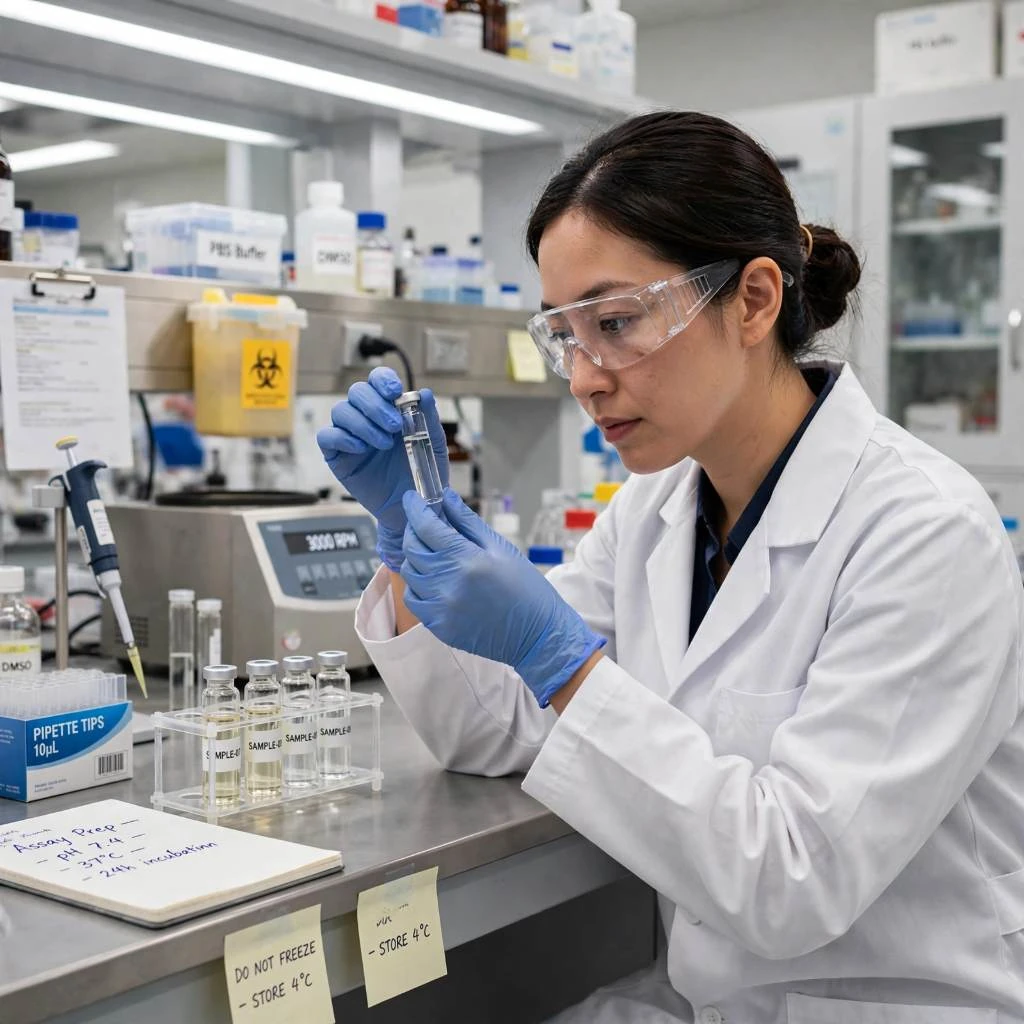
Scientific education is an important part of understanding peptides and their role in biological research. Readers who want to explore credible biomedical literature can visit the National Center for Biotechnology Information (NCBI), which provides access to scientific databases, research publications, and biomedical information. NCBI is widely recognized as a valuable resource for exploring evidence-based scientific material. Reviewing established research can help readers gain a stronger understanding of peptide science while encouraging them to evaluate information carefully instead of relying entirely on promotional statements.
Building Awareness Around Product Quality
As demand for specialized products increases, awareness about product information becomes increasingly valuable. People often want to know what they are purchasing, where information comes from, and whether details are presented clearly. A responsible marketplace benefits from transparency and straightforward communication. This is particularly important in fields connected to scientific research, where terminology can sometimes be difficult for newcomers to understand. Clear explanations can make the subject more approachable and help interested individuals develop a better understanding of the products and information they encounter.
Education’s Place in Market Development
Education can help shape how emerging markets develop. When people have access to reliable scientific resources, they are better positioned to ask informed questions and understand the differences between research topics, product information, and unsupported claims. The growing interest surrounding peptides creates an opportunity for greater awareness and discussion in Costa Rica. Businesses and information sources connected to this field can contribute positively by encouraging research, transparency, and responsible communication. A well-informed audience can support a more thoughtful and sustainable market over time.
Future of Peptide Products in Costa Rica
The peptide market in Costa Rica may continue attracting attention as scientific research and public awareness evolve. Access to specialized products, combined with reliable information, can help create a stronger foundation for people interested in learning about this field. Peptides Costa Rica represents part of a growing effort to bring greater visibility to peptide-related products within the country. Moving forward, continued education, careful research, and access to credible scientific information will remain important for anyone exploring this specialized and evolving area.
…
- September 2, 2026
- By Abel Shelton
- Uncategorized
Motorcycle Shipping Insights from A1 Auto Transport

What to Know Before Shipping Your Motorcycle
Shipping a motorcycle requires careful planning because every bike owner has different priorities. Some people want maximum protection for a valuable motorcycle, while others are mainly looking for a practical and affordable way to transport their bike. In this article, the focus is on the flexibility, service options, and important considerations associated with A1 Auto Transport motorcycle shipping. The service is designed to offer different transportation methods that can suit first-time shippers as well as experienced motorcycle owners.
Multiple Transport Options for Different Bikes
One of the strongest features of motorcycle shipping services is the availability of several transport methods. Open transport can be a practical option for standard motorcycles when affordability is a major priority. Enclosed transport provides additional protection from weather and road debris, making it more suitable for motorcycles that need extra care.
Customers may also have options such as door-to-door service, terminal-based transportation, and crated shipping. Each method offers different advantages depending on the motorcycle and the owner’s expectations. Having several choices allows customers to select a service based on protection, convenience, and budget rather than accepting a single shipping solution.
Why Flexibility Matters for Motorcycle Owners
Motorcycles come in many forms, including standard bikes, custom motorcycles, vintage models, and motorcycles with special equipment. A shipping service that can accommodate different types of vehicles can be especially useful when transportation requirements are more complicated.
Non-running motorcycles may require specialized loading equipment, while classic or custom motorcycles may benefit from additional protection during transportation. Flexibility also matters when customers need different pickup and delivery arrangements. The ability to discuss transport requirements before booking can help ensure that the selected service matches the condition and value of the motorcycle.
Tracking and Shipment Visibility
Knowing where a motorcycle is during transportation can provide additional confidence for customers. Shipment tracking and online status updates can make the process easier to follow, especially for people shipping a motorcycle for the first time.
Before booking any transport service, customers should ask how tracking works and what information will be available during transit. It is also important to understand who will be responsible for communication if schedules change. Clear updates can reduce uncertainty and help customers prepare for pickup and delivery.

Reviewing Protection and Documentation
Motorcycle owners should carefully review liability coverage and all transportation documents before agreeing to a shipment. The value of a motorcycle may be significantly higher than the basic protection included with a transport service, particularly for restored, vintage, or customized bikes.
Consumers can also benefit from reviewing guidance provided by the Federal Motor Carrier Safety Administration’s consumer resources, which emphasizes researching transportation providers and understanding important documents before signing an agreement. Asking questions about carrier assignment, coverage limits, cancellation policies, and delivery expectations can help customers make more informed decisions.
Comparing Quotes Carefully
The price of motorcycle shipping can depend on several factors. The type of motorcycle, transportation method, season, distance, and service requirements can all influence the final quote. For this reason, comparing prices without comparing services can sometimes create confusion.
Customers should examine what is included in each quote. A lower estimate may not include the same level of protection, transportation method, or delivery convenience as another option. Reviewing the complete service package makes it easier to understand the actual value being offered.
It is also useful to ask whether the company arranging transportation is acting as a broker or whether it will directly handle the shipment. Understanding this distinction can help customers know what to expect when a carrier is assigned.
Preparing a Motorcycle Before Transport
Proper preparation can make motorcycle transportation smoother. Owners should inspect their motorcycle before pickup and document its condition with clear photographs. Existing scratches, dents, or other visible marks should be recorded before the motorcycle begins its journey.
Customers should also ask about fuel requirements, loose accessories, alarms, and other preparation instructions. Some shipping methods may require additional steps before loading. Following the carrier’s instructions can help prevent unnecessary delays and make the inspection process easier.
Practical Choice for Different Shipping Situations
A1 Auto Transport motorcycle shipping stands out primarily because of its range of available transportation options. Customers can explore solutions based on convenience, protection requirements, and the specific condition of their motorcycle.
The availability of open and enclosed transportation, different delivery arrangements, tracking options, and support for specialized motorcycles can make the service appealing to a broad range of bike owners. However, customers should still review every quote carefully and understand the terms before booking.
Final Thoughts
Shipping a motorcycle does not have to be an overwhelming experience when customers understand their available options. A flexible transportation service can provide useful choices for standard motorcycles, valuable bikes, and vehicles requiring special handling.
The most important step is selecting a transportation arrangement that matches the motorcycle’s needs and the owner’s expectations. By comparing services carefully, reviewing coverage, documenting the bike’s condition, and understanding the shipping process, motorcycle owners can approach transportation with greater confidence and clarity.

…
- August 31, 2026
- By Abel Shelton
- Uncategorized
Discover the Science Behind Peptides Costa Rica Research

Expanding Discussion Around Peptide Research
The discussion surrounding Peptides Costa Rica reflects a broader and growing interest in peptide science, biomedical research, and the expanding availability of scientific information. As interest in these compounds continues to develop, researchers and science-focused communities are paying closer attention to how peptides are studied, categorized, and evaluated. Peptides are involved in many biological processes, making them an important subject across biochemistry, molecular biology, and pharmaceutical research. The growing conversation in Costa Rica also highlights the importance of approaching peptide-related information with scientific awareness, transparency, and careful evaluation.
How Peptides Are Studied in Science
Peptides are compounds made from amino acids connected by peptide bonds. Their structure can vary considerably, and different peptides may interact with biological systems in different ways. Scientific research examines their chemical properties, biological activity, stability, and potential applications. Because of this diversity, peptides have become an important area of investigation across multiple scientific disciplines.
The study of peptides extends far beyond a single research objective. Scientists investigate naturally occurring peptides, synthetic compounds, signaling molecules, and peptide-based structures designed for specific experimental purposes. This broad field continues to generate new questions about molecular interactions and biological mechanisms. At the same time, scientific progress depends on careful experimentation rather than assumptions based on marketing claims or online discussion.
Why Research Information Matters
Access to understandable information can help create a more informed conversation about peptide research. Scientific terminology is often complex, particularly when discussions involve molecular structures, laboratory methods, or emerging areas of biomedical investigation. Educational content can therefore play an important role in helping readers understand the difference between established scientific evidence and subjects that are still being researched.
For anyone exploring peptide-related topics, context matters. A scientific study may investigate a particular mechanism without proving that the same result applies broadly or outside a controlled research environment. Research findings also vary in quality, scale, and relevance. Looking at the available evidence carefully helps readers develop a more realistic understanding of what is known, what remains uncertain, and where additional research is needed.
Clear Communication in Emerging Science
As scientific topics become more visible online, transparency becomes increasingly valuable. Clear descriptions, accurate terminology, and responsible communication can help distinguish educational material from unsupported claims. This is especially important in areas where public interest may move faster than the available scientific evidence.
Peptide research is a good example of why careful communication matters. Some peptides have been extensively studied, while others remain subjects of early-stage or limited investigation. Treating every compound as if it has the same level of scientific support can create confusion. A responsible approach recognizes these differences and encourages readers to examine information critically.
The expanding interest in peptide science also demonstrates the value of connecting public discussion with credible scientific resources. Research communities, educational platforms, and scientific databases can all contribute to a more informed understanding when information is presented with appropriate context.

Scientific Resources for Understanding Peptides
One useful way to better understand peptide science is by consulting established scientific databases and literature resources. The National Center for Biotechnology Information (NCBI) provides access to extensive biomedical and genomic information, including scientific literature and databases that support research and education. Its resources help researchers and readers explore how peptides are classified and studied across many areas of science.
Using authoritative resources is particularly important because peptide research can involve rapidly developing scientific questions. Published research should be interpreted within its proper context, including the type of study conducted and the limitations identified by researchers. A laboratory finding, for example, does not automatically establish a broad real-world application.
Scientific databases can also help readers move beyond simplified online claims. By examining published literature and established scientific references, individuals can gain a clearer understanding of the ongoing research process and the evidence supporting different areas of peptide investigation.
Supporting Informed Scientific Conversations
Interest in scientific innovation often creates excitement, particularly when a field appears to have many potential research directions. However, responsible discussion requires balancing curiosity with evidence. Peptide research continues to explore important questions related to molecular biology and biological function, but individual compounds can differ substantially in their research history and scientific support.
Clear communication should therefore avoid presenting research subjects as guaranteed outcomes. Instead, the focus should remain on evidence, methodology, and the continuing process of scientific discovery. This approach benefits both experienced researchers and general readers who want to learn more about complex scientific topics.
What May Shape Future Peptide Research
The future of peptide science will likely continue to be shaped by advances in biotechnology, molecular analysis, and biomedical research. New methods may provide researchers with additional opportunities to study how peptide structures behave and interact within biological systems. As this work progresses, access to credible information will remain essential.
For readers following the conversation surrounding peptide research in Costa Rica, the most valuable approach is one based on curiosity, scientific literacy, and critical evaluation. Interest in emerging research can encourage learning, but strong conclusions should always depend on reliable evidence. By emphasizing transparency and credible scientific resources, the conversation around peptides can remain connected to the principles that drive meaningful research and scientific progress.

…
- August 19, 2026
- By Abel Shelton
- Uncategorized
Costa Rica Startups Transforming Science Into Wellness

Scientific Wellness Startups in Costa Rica and Their Future
Costa Rica is seeing growing interest in businesses that connect scientific ideas with modern wellness services. For entrepreneurs, here can become a starting point for exploring specialized markets built around research, technology, education, and health-related innovation. Smaller companies can create useful positions by focusing on specific audiences and practical needs rather than attempting to compete with major international brands. This creates room for businesses that organize information, support research, develop digital tools, or introduce new wellness concepts to specialized markets.
Wellness Is Becoming More Science Focused
Modern wellness increasingly overlaps with scientific research. Areas such as longevity, metabolic research, recovery, personalized nutrition, digital health, and biotechnology are attracting attention from entrepreneurs and consumers alike. This wider market gives startups opportunities to build educational platforms, research-focused services, specialized digital resources, and other businesses that make complex information easier to understand. Clear communication is especially important when a business discusses experimental science or emerging technologies.
Research Can Open Specialized Markets
Scientific progress can create commercial opportunities beyond laboratories and pharmaceutical companies. Entrepreneurs may find demand for scientific education, laboratory coordination, data services, research logistics, specialized catalogs, and digital platforms. Such businesses can help researchers and professional audiences navigate increasingly complex fields. Access to organized scientific literature through the National Center for Biotechnology Information can also help entrepreneurs understand where genuine market needs exist and where additional services could provide value.
Interest in Peptide Research
Peptide research demonstrates how specialized scientific interests can support new business models. Peptides are studied across many areas of biology, creating opportunities around research information, documentation, laboratory resources, and educational services. Businesses working in this area should communicate carefully and distinguish experimental research materials from approved medical products. Accurate descriptions and appropriate scientific context can help reduce misunderstanding while giving professional audiences useful information.
Metabolic Science Draws Entrepreneurial Interest
Metabolic science is another field where research developments can influence entrepreneurial thinking. Investigational compounds and emerging approaches demonstrate how quickly scientific knowledge can develop. For companies discussing these subjects, the research stage of a compound should always be presented accurately. Experimental findings should not be framed as established medical outcomes, especially when a product remains under investigation.

Information Quality Can Set Startups Apart
In specialized wellness markets, the quality of information can influence how people evaluate a business. Product identification, laboratory documentation, research references, storage details, and clear descriptions can all contribute to a stronger digital presence. A structured catalog can also make complex categories easier to navigate. For startups, careful information management is not simply a marketing feature. It can become part of the overall value offered to customers and professional users.
Online Platforms Expand Market Access
Online platforms allow specialized companies to reach audiences beyond traditional storefronts. A well-developed website can combine educational material, product information, research resources, and customer assistance in one place. This approach can be valuable for niche markets where visitors often research a subject before taking action. Search-friendly educational content and straightforward navigation can help a startup attract relevant audiences and explain its business more effectively.
Services Can Become the Core Product
Wellness entrepreneurship does not always depend on selling a physical product. Service-based companies can support researchers and specialized organizations through data management, scientific writing, logistics, laboratory coordination, educational resources, analytics, and software. These models show how scientific growth can produce secondary markets. A startup can create value by solving a practical problem around research instead of trying to make the scientific discovery itself.
Responsible Communication Is Essential
Companies operating near biotechnology and health research need to communicate carefully. Scientific terminology can become confusing when commercial language goes beyond available evidence. Startups should separate research findings from promotional claims, explain limitations, identify investigational materials appropriately, and follow applicable requirements. Clear communication can help audiences understand what is known, what remains under study, and what a business actually provides.
Where Founders May Find Room to Grow
Future opportunities may appear where science, technology, and wellness overlap. Entrepreneurs can look for underserved audiences and develop focused solutions rather than broad platforms with unclear purposes. Potential areas include research tools, educational websites, laboratory support, digital wellness services, scientific supply chains, and biotechnology-related infrastructure. The strongest concepts will usually begin with a clearly defined problem and a practical solution that customers can understand.
A More Informed Future for Wellness Startups
Costa Rica’s connection between scientific research and entrepreneurship offers room for specialized wellness businesses to develop new ideas. Companies that combine scientific understanding, useful services, accessible information, and responsible communication may be better positioned to serve emerging markets. As biotechnology, wellness research, and longevity science continue to evolve, entrepreneurs can help connect specialized knowledge with practical business opportunities. The goal is not simply to follow a trend, but to build a focused venture around a genuine need and communicate its value with accuracy.

…
- August 12, 2026
- By Abel Shelton
- Uncategorized
Peptides Costa Rica Trustpilot Rating and Customer Reviews

Peptides Costa Rica Reviews What Customers Are Saying
When researching Peptides Costa Rica, customer feedback can offer useful context before exploring a research peptide supplier, and recent reviews on Trustpilot provide another perspective on how customers describe their experiences. The Trustpilot profile currently displays an overall score of about 4.4 out of 5 based on 11 reviews, with the majority of ratings falling into the highest category.
Why Customer Feedback Matters
Online feedback can help readers understand more than a product description alone. Reviews may discuss communication, ordering, delivery, packaging, or general interactions with a company. These details can provide additional context when someone is evaluating a supplier and deciding whether to investigate its policies, product information, and research-use statements more closely.
What the Trustpilot Rating Shows
The Trustpilot profile identifies Peptides Costa Rica as a claimed business profile and shows 11 reviews, including reviews submitted during the previous 12 months. The displayed TrustScore is approximately 4.4 out of 5, while the platform also explains that its automated systems examine reviews for content that may violate its guidelines.
Customer Experiences and Communication
Several comments focus on the overall purchasing experience rather than making detailed scientific claims about individual compounds. Themes visible in customer feedback include communication, responsiveness, order handling, and delivery. These are practical factors that can matter to researchers who want clear information before placing an order.
Looking Beyond Star Ratings
A star rating should not be treated as scientific evidence. Customer testimonials describe individual experiences and cannot establish the identity, purity, potency, safety, or suitability of a research compound. For that reason, anyone evaluating peptide materials should consider documentation, product specifications, laboratory information, and the intended research application alongside customer feedback.

Research Peptides Require Scientific Context
Peptides are short chains of amino acids that can participate in many biological processes. Their structures and interactions can vary considerably, which is why scientific research depends on accurate characterization and appropriate experimental methods. Researchers should distinguish between laboratory findings and promotional claims when reviewing information available online.
For foundational scientific information about peptides and related biomedical research, researchers can consult the National Center for Biotechnology Information (NCBI) as an independent authority.
Research-Use Statements
Peptides Costa Rica states on its website that its products are intended strictly for laboratory research and are not approved or authorized by the FDA for preventing, diagnosing, treating, or curing disease. The company also states that its website information is educational rather than medical or legal advice.
These statements are important because research materials should not automatically be interpreted as approved medicines or products intended for personal treatment. Readers should carefully review the supplier’s stated purpose and applicable regulations before considering any research material.
Comparing Information From Multiple Sources
Trustpilot is most useful when treated as one part of a broader evaluation. A potential customer can compare customer comments with the company’s own policies, product descriptions, research-use notices, and publicly available scientific literature. This approach makes it easier to separate opinions about customer service from claims that require scientific verification.
What Recent Feedback Suggests
The current Trustpilot page presents predominantly positive feedback, with the visible ratings indicating strong customer satisfaction. However, the number of reviews remains relatively small, so the score should be viewed as a snapshot rather than a definitive assessment of the entire business.
A Balanced Way to Evaluate the Company
A balanced evaluation should consider several factors together. Customer feedback can reveal how people describe their interactions, while company information can explain ordering policies and intended product use. Scientific references can provide background about peptide research, and appropriate documentation can help researchers assess whether a material fits a particular laboratory requirement.
Final Thoughts on Peptides Costa Rica Reviews
The Trustpilot profile provides a useful starting point for understanding customer sentiment toward Peptides Costa Rica. Its current rating and recent feedback indicate generally positive experiences, particularly around service and order handling. Still, reviews should complement rather than replace scientific evaluation. Anyone researching peptide materials should examine available documentation carefully, understand the stated research-only purpose, and use reputable scientific resources when assessing peptide-related information.

…
About Us

A company environment is a set of factors, such as modern technologies and funds, that have…
Business



Let’s Talk

Harold A. Wiggins
Address:
Lagrange, GA 30240
Phone:
706-883-0040
Email:
talk@killarney-innovation.com
Follow Us