- July 27, 2026
- By Abel Shelton
- Uncategorized
Tesamorelin Peptide Research Key Facts, Mechanisms, and Discoveries
Peptide research continues to expand as scientists investigate compounds that influence biological signaling pathways and endocrine function. Among these compounds, Tesamorelin has attracted significant attention for its role as a synthetic growth hormone-releasing hormone (GHRH) analog used in controlled laboratory research. Researchers study its interaction with the pituitary gland to better understand growth hormone regulation and metabolic processes. As peptide science evolves, carefully designed research protocols help generate valuable insights into endocrine biology while supporting broader scientific discoveries.
Tesamorelin Explained for Research Applications
Tesamorelin is a synthetic peptide designed to stimulate the natural release of growth hormone by binding to growth hormone-releasing hormone receptors in the pituitary gland. Unlike compounds that directly supply growth hormone, Tesamorelin encourages the body’s signaling mechanisms to trigger endogenous hormone production during controlled research conditions.
Its molecular structure was developed to improve stability while maintaining biological activity, making it an interesting candidate for laboratory investigations. Scientists often examine its pharmacological profile to understand receptor activation, downstream signaling pathways, and hormonal feedback mechanisms. These studies contribute to a broader understanding of endocrine regulation and peptide-based therapeutic development.
Scientific Interest in Tesamorelin
Researchers investigate Tesamorelin because of its ability to influence growth hormone secretion under controlled experimental conditions. Laboratory studies frequently evaluate how growth hormone affects protein metabolism, lipid metabolism, tissue remodeling, and cellular communication.
Scientific models also explore how peptide signaling may impact metabolic regulation and endocrine responses over time. Since growth hormone influences numerous physiological systems, understanding the mechanisms behind GHRH analogs helps researchers develop more accurate biological models for future investigations.
The peptide’s predictable receptor interactions make it valuable for studying hormonal regulation while minimizing unnecessary variables within experimental settings.
Laboratory Handling and Research Standards
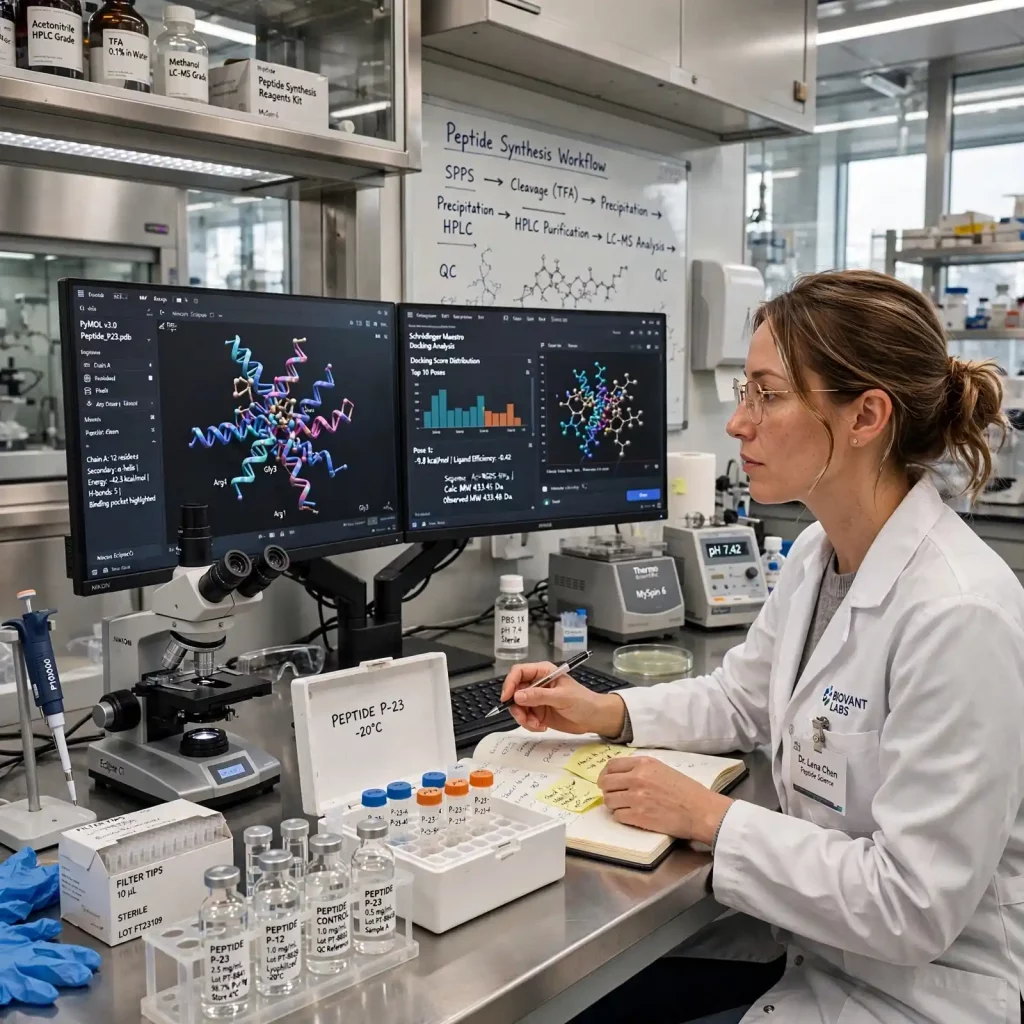
Maintaining peptide integrity is essential for producing meaningful research results. Laboratories typically follow standardized handling procedures that include temperature-controlled storage, sterile preparation methods, and accurate measurement protocols.
Researchers also emphasize careful documentation throughout every stage of an experiment. Recording environmental conditions, preparation methods, concentrations, and observation timelines improves reproducibility and supports scientific transparency.
Organizations such as the National Center for Biotechnology Information (NCBI) provide extensive scientific literature that helps researchers review published findings and understand ongoing developments in peptide science.

Why Quality Matters in Peptide Research
Research outcomes depend heavily on the consistency and quality of laboratory materials. High-quality peptides allow scientists to evaluate biological responses with greater confidence while reducing experimental variability.
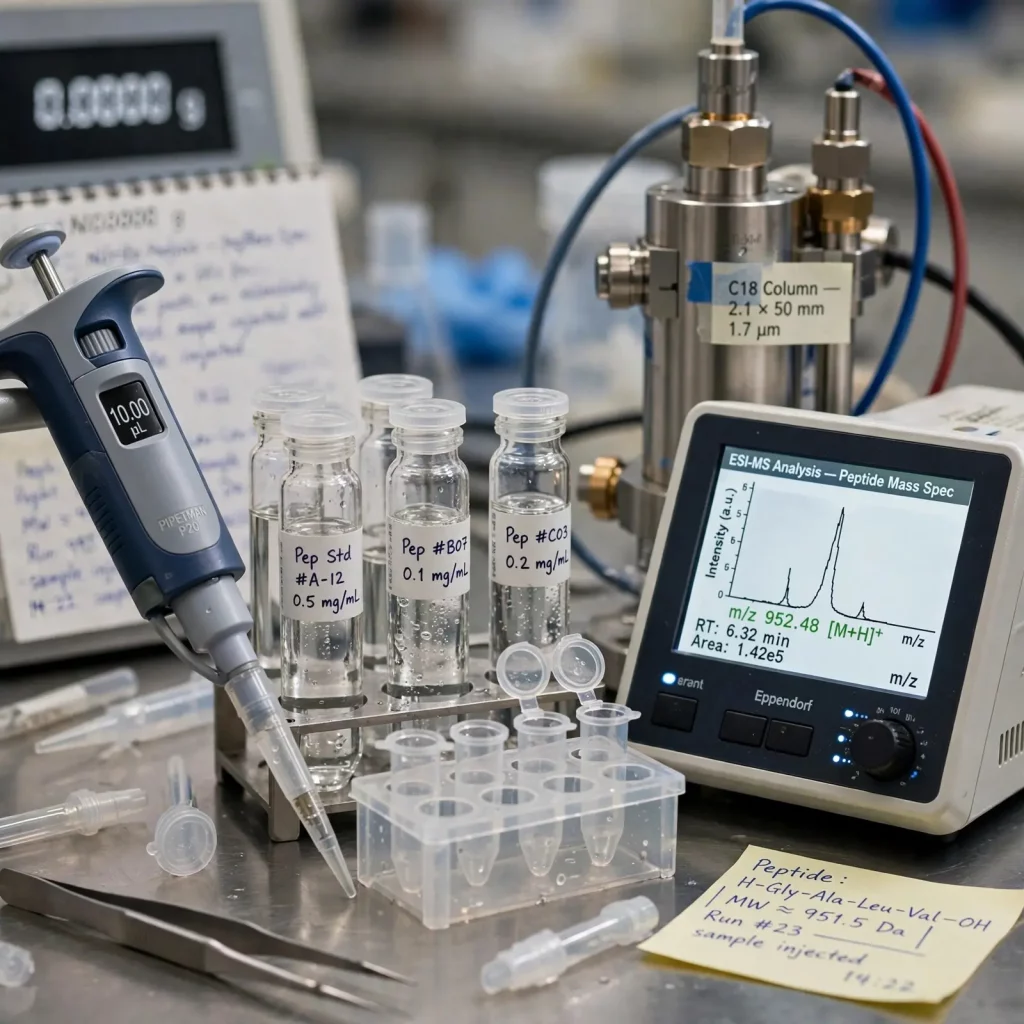
Quality verification commonly includes analytical techniques such as High-Performance Liquid Chromatography (HPLC) and Mass Spectrometry (MS). These methods help confirm peptide purity, molecular weight, and structural identity before experimental use.
Reliable analytical documentation allows researchers to compare findings across studies while maintaining confidence in experimental design and data interpretation.
Future Directions for Growth Hormone Peptide Research
The field of peptide science continues to evolve as researchers identify new applications for growth hormone-releasing compounds. Future studies may further explore endocrine signaling, metabolic regulation, tissue regeneration pathways, and molecular communication networks.
Advances in peptide synthesis and analytical technologies also enable scientists to investigate increasingly complex biological interactions with greater precision. Improved laboratory techniques support reproducible experiments that contribute to a deeper understanding of peptide pharmacology and receptor biology.
As scientific knowledge expands, researchers continue building evidence that may guide future innovations across endocrinology, metabolism, and molecular medicine.
Conclusion
Tesamorelin remains an important subject within peptide research because of its unique mechanism of stimulating endogenous growth hormone release through GHRH receptor activation. Ongoing laboratory investigations continue to improve understanding of hormonal regulation, receptor signaling, and metabolic biology.
By following rigorous research standards, maintaining high-quality laboratory materials, and utilizing validated analytical methods, scientists can generate dependable data that advances peptide research. Continued exploration of compounds like Tesamorelin contributes to the growing body of scientific knowledge supporting future discoveries in endocrine and molecular research.