- July 23, 2026
- By Abel Shelton
- Uncategorized
Peptides for Fertility Research Key Discoveries and Future Directions
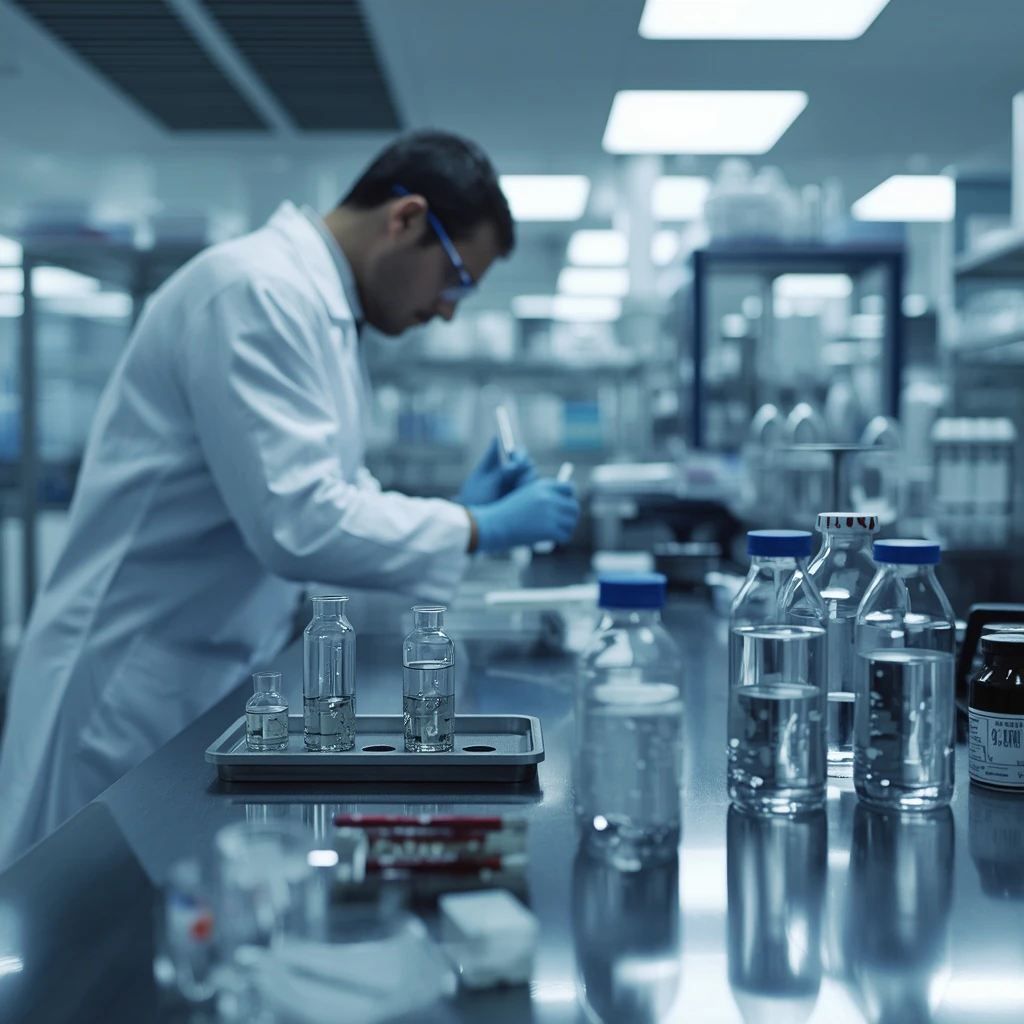
What to Know About Peptides for Fertility and Hormone Signaling
Peptides have become an important subject in modern biological research because of their involvement in many natural cellular processes. Scientists continue to investigate how these short chains of amino acids interact with different biological pathways, including those connected for fertility and reproductive function. While peptide research has expanded significantly over recent years, it is important to understand that much of this work remains within scientific and laboratory settings rather than established clinical practice. Researchers explore how peptide signaling may influence hormone regulation, tissue communication, and cellular development, creating opportunities for deeper understanding of reproductive biology.
How Peptides Function in Biological Systems
Peptides serve as signaling molecules that help cells communicate throughout the body. They bind to specific receptors and can influence numerous physiological processes depending on their structure and biological target. In research environments, scientists study naturally occurring peptides alongside synthetic versions designed to better understand cellular responses.
Within reproductive biology, peptide signaling is linked to hormone release, ovarian and testicular function, and communication between organs involved in reproduction. These mechanisms are highly complex, making peptides an interesting topic for continued scientific investigation. Researchers focus on understanding these natural interactions before considering any broader applications.
Why Researchers Study Peptides in Reproductive Biology
Reproductive health depends on balanced hormonal communication, healthy tissue function, and coordinated cellular activity. Scientists investigate peptide pathways because they may contribute to regulating several of these biological systems. Laboratory studies often examine how peptides influence signaling molecules, receptor activation, and cellular responses involved in reproductive processes.
Current research seeks to better understand how peptide interactions affect normal biological functions rather than providing definitive therapeutic conclusions. This careful scientific approach allows researchers to gather evidence through controlled experiments while expanding knowledge of human physiology.
Areas of Scientific Interest
Several peptide families have attracted attention within reproductive research because they participate in natural hormonal regulation. Researchers continue examining topics such as:
- Hormonal communication between endocrine glands
- Cellular signaling involved in reproductive tissues
- Regulation of growth factors during development
- Tissue repair and regenerative biology
- Molecular pathways influencing reproductive function
These studies primarily aim to understand normal biological mechanisms rather than establish treatment recommendations.

Importance of Evidence-Based Research
Scientific progress depends on carefully designed experiments, peer-reviewed publications, and transparent data analysis. Researchers rely on laboratory findings, animal models, and clinical investigations to determine whether biological observations are reproducible and meaningful.
Anyone interested in learning more about protein biology and peptide science can explore the National Center for Biotechnology Information (NCBI) at https://www.ncbi.nlm.nih.gov/, a trusted resource from the National Institutes of Health (NIH) that provides extensive scientific literature, biological databases, and research information related to proteins, genetics, and molecular biology.
High-quality scientific databases help ensure that research findings are interpreted within the broader context of established biological knowledge.
Ongoing Developments in Peptide Research
Advances in molecular biology, biotechnology, and analytical techniques have accelerated peptide research worldwide. Modern laboratory tools allow scientists to identify peptide sequences, study receptor interactions, and examine cellular responses with greater precision than ever before.
As new discoveries emerge, researchers continue investigating how naturally occurring peptides participate in biological regulation. These studies contribute to a growing understanding of complex physiological systems while identifying new questions that require further investigation.
The scientific community emphasizes careful validation of results before drawing conclusions about potential applications. This methodical process helps maintain high research standards and supports reliable scientific advancement.
Responsible Interpretation of Research Findings
Scientific publications often generate public interest, but laboratory observations should not be interpreted as established medical outcomes. Biological research typically progresses through multiple stages, including laboratory experiments, preclinical evaluation, and carefully designed clinical studies before broader conclusions can be reached.
Understanding this research process helps readers distinguish between promising scientific investigations and confirmed evidence. Responsible interpretation supports informed discussions while encouraging continued exploration within the scientific community.
Conclusion
Peptides remain an exciting area of biological research because they participate in numerous natural signaling pathways throughout the body. Their involvement in reproductive biology has encouraged scientists to examine how cellular communication, hormone regulation, and molecular interactions contribute to normal physiological processes.
Although research continues to expand, many questions remain under investigation, highlighting the importance of ongoing scientific study. As laboratories develop new technologies and generate additional evidence, our understanding of peptide biology will continue to improve. Careful, evidence-based research remains the foundation for advancing knowledge and supporting future discoveries in reproductive science.

…
About Us

A company environment is a set of factors, such as modern technologies and funds, that have…
Business



Let’s Talk

Harold A. Wiggins
Address:
Lagrange, GA 30240
Phone:
706-883-0040
Email:
talk@killarney-innovation.com
Follow Us